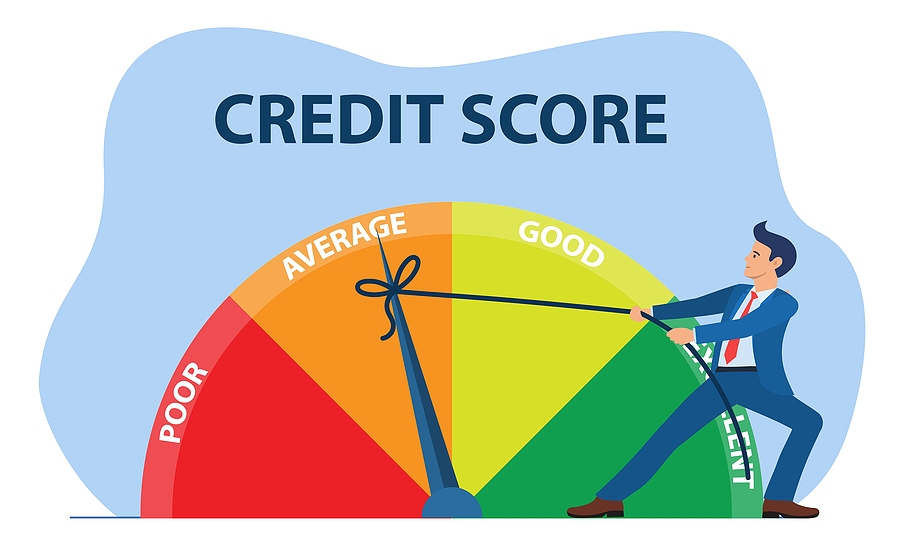
What is a Credit Score?
A credit score is a three-digit number that represents your creditworthiness, or how likely you are to repay borrowed money. Lenders, such as banks and credit card companies, use this score to decide whether to approve you for loans or credit cards and what interest rate to offer. Credit scores typically range from 300 to 850, with higher scores indicating better creditworthiness. It’s like a report card for your financial behavior, providing a snapshot of your reliability as a borrower.
How Is a Credit Score Calculated?
Your credit score is calculated based on several factors. The most important is your payment history—whether you’ve paid bills on time. Another significant factor is your credit utilization ratio, which measures how much of your available credit you’re using. Length of credit history, types of credit accounts (like loans or credit cards), and recent credit inquiries also play a role. Understanding these components can help you focus on improving specific areas of your financial habits.
Why Does a Credit Score Matter?
A good credit score opens doors to better financial opportunities. With a high score, you’re more likely to be approved for loans and credit cards, often with lower interest rates, which can save you money in the long run. Your credit score also affects your ability to rent an apartment, buy a car, or even land certain jobs, as some employers and landlords check credit reports. A poor credit score, on the other hand, can limit your options and make borrowing more expensive.
How Can You Build and Improve Your Credit Score?
Building a good credit score takes time and responsible financial behavior. Start by paying all your bills on time, including utilities and cell phone bills. Keep your credit utilization low—ideally below 30% of your total credit limit. If you’re new to credit, consider applying for a secured credit card or becoming an authorized user on a family member’s card. Regularly monitoring your credit report for errors can also help ensure your score accurately reflects your financial habits.
Common Misconceptions About Credit Scores
Many people believe that checking their credit score will lower it, but this is a myth. Checking your own score is considered a “soft inquiry” and doesn’t affect your credit. Another misconception is that carrying a small balance on your credit card improves your score—it’s better to pay off your balance in full each month. Understanding these myths can prevent mistakes that might hurt your credit.
Why Start Early?
Starting to build credit as a young person can set you up for financial success later in life. A long credit history is beneficial for your score, so opening a credit account early (and using it responsibly) gives you a head start. Establishing good credit habits early on can also make it easier to achieve major financial goals like buying a home or starting a business. It’s never too early to start learning about credit and making smart financial choices.

 Future Wealth Focus
Leave a comment